Rapid Prototyping Services

Stat Bar
±0.1mm
Dimensional Tolerance
24-48h
Turnaround Time
500mm
Max Build Size
50+
Material Options
Advanced Rapid Prototyping Solutions

Advanced Rapid Prototyping Solutions

Sinbo Precision provides comprehensive rapid prototyping services using the latest 3D printing technologies and traditional manufacturing methods. Our fast and accurate prototyping solutions help you validate designs, accelerate product development cycles, and reduce time-to-market.

With our diverse prototyping capabilities, we can produce functional prototypes in a wide range of materials, allowing you to test form, fit, and function before moving to full-scale production.
Why Choose Our Rapid Prototyping Services?

  • Fast turnaround times (24-48 hours for most projects)
  • Wide range of materials including plastics, metals, and composites
  • Multiple prototyping technologies to suit your specific needs
  • Professional finishing services for production-like appearance
  • Scalable solutions from single prototypes to low-volume production
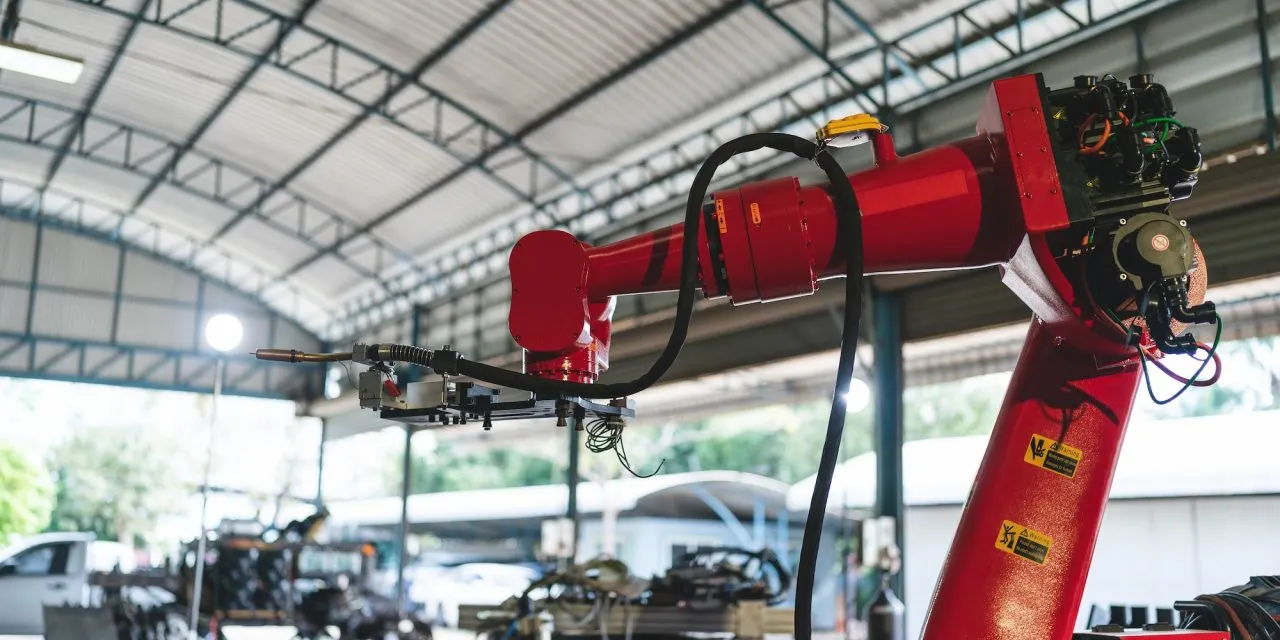
Rapid prototyping equipment
Rapid Prototyping FAQ

What Is Rapid Prototyping?

Rapid prototyping means making a physical sample of a new product design idea. This is done as a preliminary step towards eventual production, and is most useful when verifying that the finished product will look, feel, and perform as intended. New product developers turn to rapid prototyping for several reasons. They're used for functional testing, approvals, design iterations, for crowdfunding campaigns, trade show models, and as a bridge to low volume manufacturing.

Prototypes often inspire re-designs, improvements, and other modifications that may not have been obvious merely from a computer graphic, so in this regard they're beneficial for optimizing a design before committing resources to larger volumes. In fact, being able to correct design errors early in the development phase can more than compensate for the cost of the prototype itself, so they're wise investments.

What Are The Different Types Of Rapid Prototyping?

Any physical model can potentially be a prototype. The difference lies in how closely it reflects the intended finished part.

Very simple models can be made with paper, plastic, modeling clay, styrofoam, balsa wood, or other common household materials. These are examples of very low fidelity prototypes, but they do have the advantage of being easy and inexpensive to make.

These types of prototypes would likely not function very well or for long, so they're used primarily to get a visual idea of the design and to compare it in scale to other parts.

More high-fidelity prototypes use modern machine tools and materials, including various 3D printing technologies, vacuum casting, rapid tooling for injection molding, and CNC machining.

Prototypes often inspire re-designs, improvements, and other modifications that may not have been obvious merely from a computer graphic, so in this regard they're beneficial for optimizing a design before committing resources to larger volumes. In fact, being able to correct design errors early in the development phase can more than compensate for the cost of the prototype itself, so they're wise investments.

How To Choose The Right Rapid Prototyping Technique

The right prototyping method is the one that best fits your budget, the complexity of the part, what you want the prototype to do, and your development timeline. Better prototyping costs more money and take longer to make, but they also more faithfully represent the form, fit, and function of a production part.

Applications

Applications

Industries we serve with rapid prototyping solutions

Automotive

Functional parts and assembly testing

Medical

Device prototyping and surgical guides

Electronics

Enclosures and component testing

Consumer

Product design validation